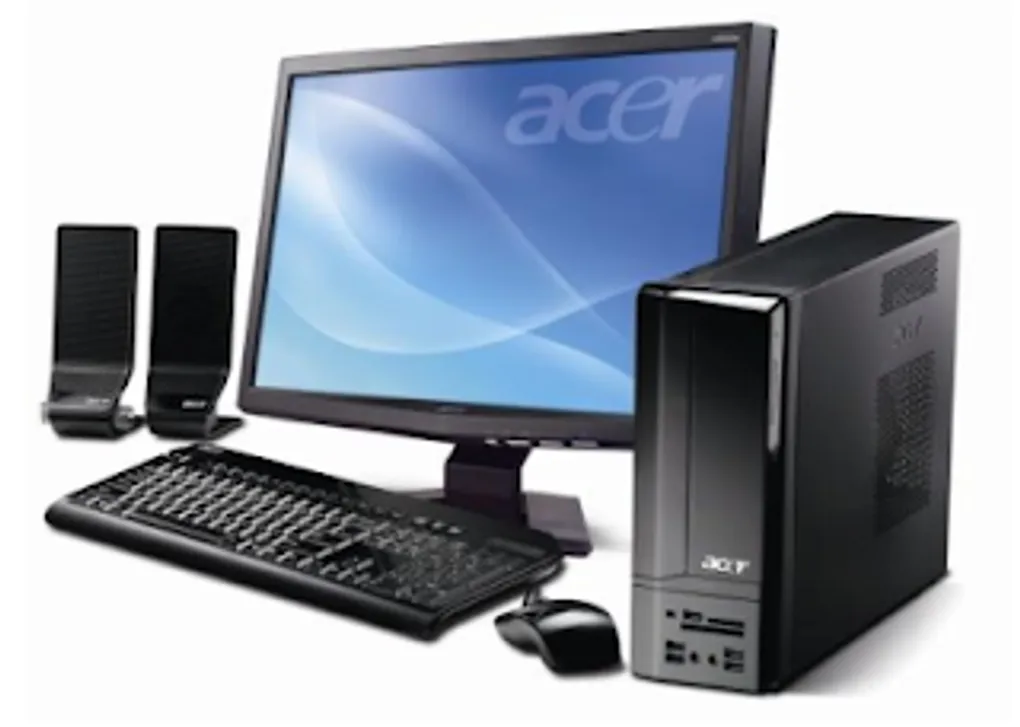
History of Computers: From the First Generation to the Present
WHAT IS A COMPUTER?
The word “computer” comes from the Latin computare, which means “to compute” or to count.
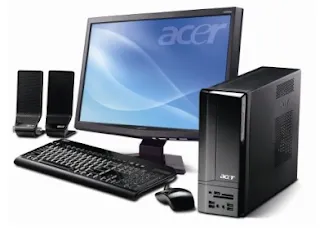
A computer is an electronic device that:
- Receives data input.
- Processes data.
- Provides information.
- Uses programs stored in its memory.
- Stores programs and processing results.
- Works automatically.
THE EARLY DAYS
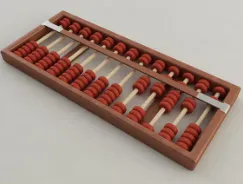
ABACUS The very beginning of computing machines.
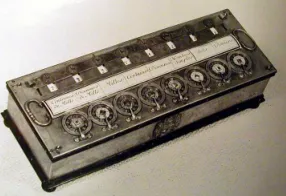
Blaise Pascal (1623-1662) Invented the Pascaline, a numerical wheel calculator.
Other notable milestones:
- 1617: John Napier developed Napier’s Bones.
- 1674: Gottfried Leibniz invented the Leibniz Calculation Machine.
- 1812: Charles Babbage created the Difference Engine (The Father of Computing).
- 1890: Herman Hollerith developed a punch card system (The Father of Modern Computing).
COMPUTER GENERATIONS
1. First Generation (1946–1959)
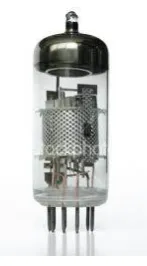
- Circuits used Vacuum Tubes.
- Programs were written in machine language: ASSEMBLER.
- Physically massive and generated extreme heat.
- Slow processing speeds and very small storage capacity.
- Required enormous amounts of electricity.
- Primarily oriented toward business applications.
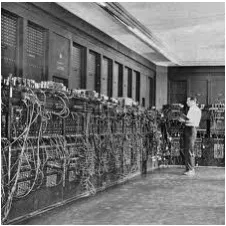
- 1946 - ENIAC: The world’s first electronic computer. It weighed 30 tons, was 30 meters long and 2.4 meters high, and used 174 kilowatts of power.
- 1953 - IBM 701: A popular large-scale commercial computer.
2. Second Generation (1959–1964)
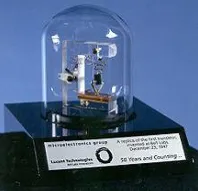
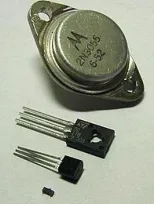
- Used Transistors, allowing for high-level languages: COBOL, FORTRAN, ALGOL.
- Increased main memory capacity.
- Faster operational processing.
- Consumed less power.
- Oriented toward both business and technical applications.
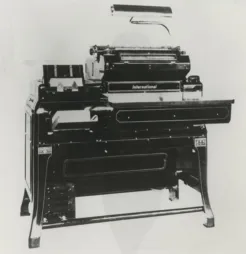
Popular models included the IBM 401 (business) and the IBM 1602 & 7094 (technical).
3. Third Generation (1964–1970)
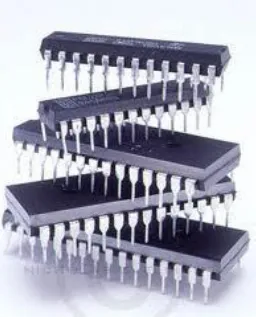
- Used IC (Integrated Circuits).
- Significantly faster processing.
- Larger memory capacity.
- Improved power efficiency.
- Smaller physical size.
- The beginning of widespread application software.
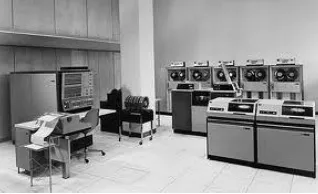
- 1964 - IBM S/360: The first third-gen computer used for both business and technical tasks.
- 1969 - NOVA: Developed by Data General Corporation, the first 16-bit minicomputer.
4. Fourth Generation (1970–1990)
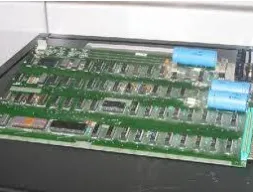
- Used Large Scale Integration (LSI).
- Development of microcomputers using microprocessors and semiconductor memory chips.
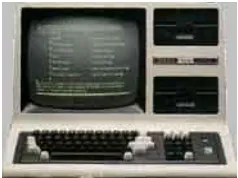
Notable milestones:
- IBM 370: The first fourth-gen computer.
- Cray I: The first supercomputer.
- Apple II: The first personal computer.
- The original IBM PC.
- Pentium II and AMD K6 3D.
5. Fifth Generation (1990s–Present)
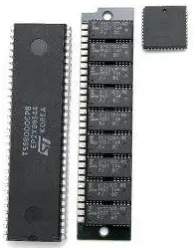
- Uses Very Large Scale Integration (VLSI).
- Advanced microprocessors and semiconductors.
- Developing computers that can interact with humans and mimic human intelligence (AI).
- Known as the Pentium generation and beyond.
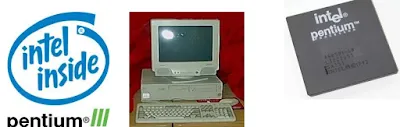
6. Sixth Generation (21st Century and Beyond)
- This is the future generation, often referred to as the Titanium Generation. It focuses on nanotechnology, quantum computing, and even more advanced integration with everyday life.